
 Free delivery when spending €45 and over.

 Order before noon from Monday to Sunday for next day delivery in Malta.


Description


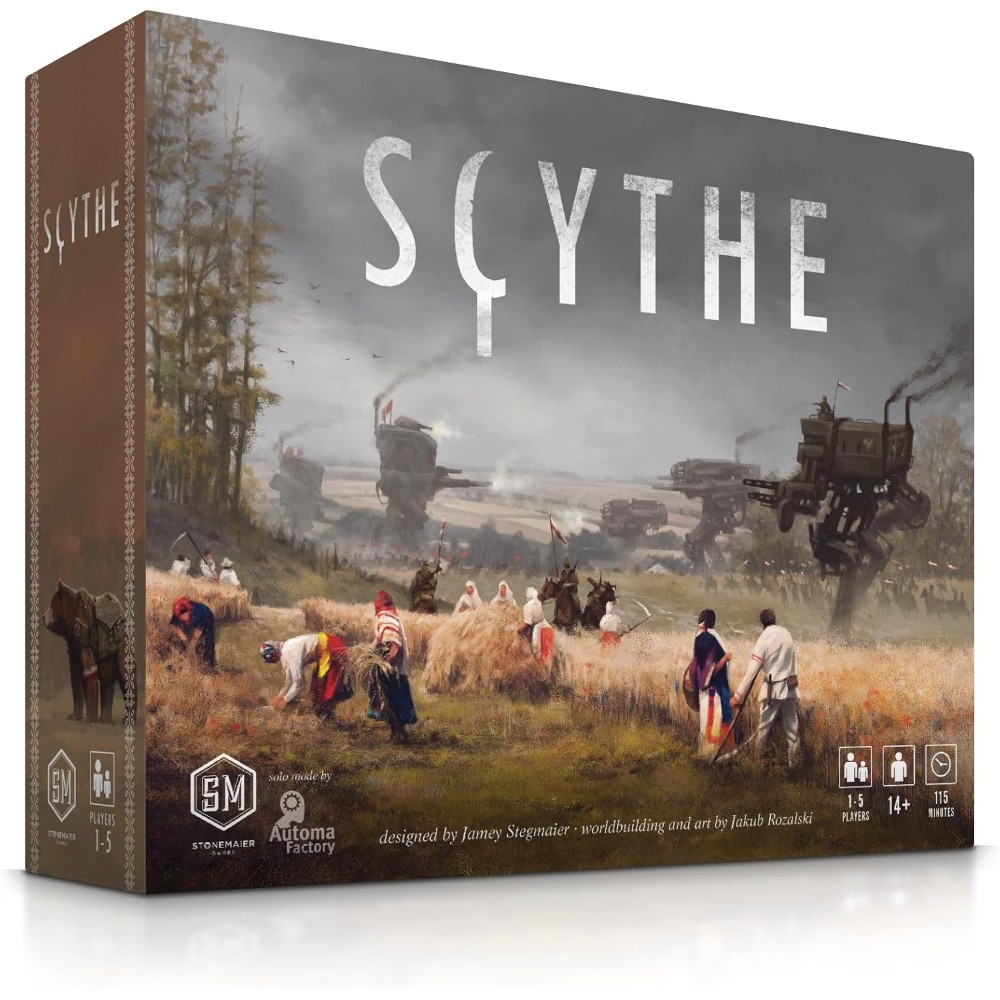
Designed by Jamey Stegmaier, World Construction and Art by Jakub Rozalski
Scythe.
By Stonemaier Games
It is a time of unrest in Europe of the 1920s. The ashes from the First Great War still darkens the snow. The capitalist city-state, known simply as ‘The Factory’, which fueled the war with heavily armored mechanics, has closed its doors and attracted the attention of several nearby countries.
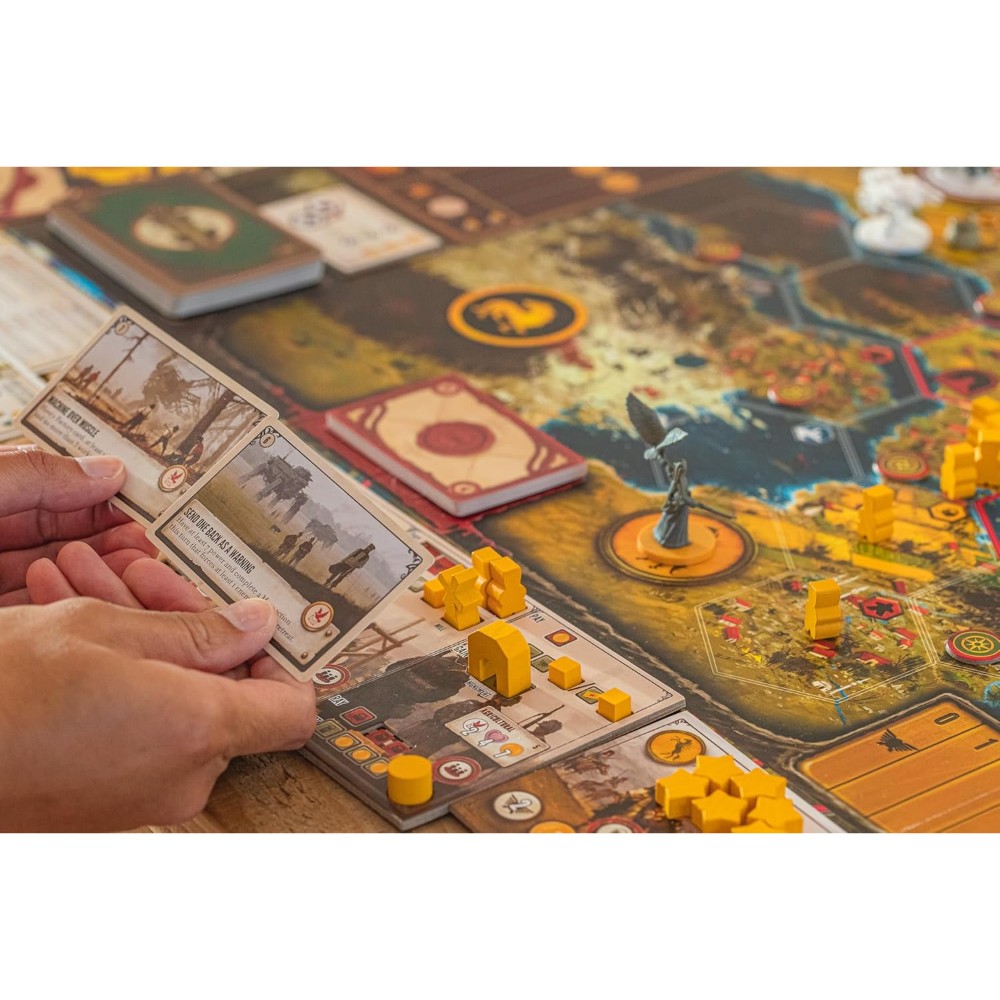
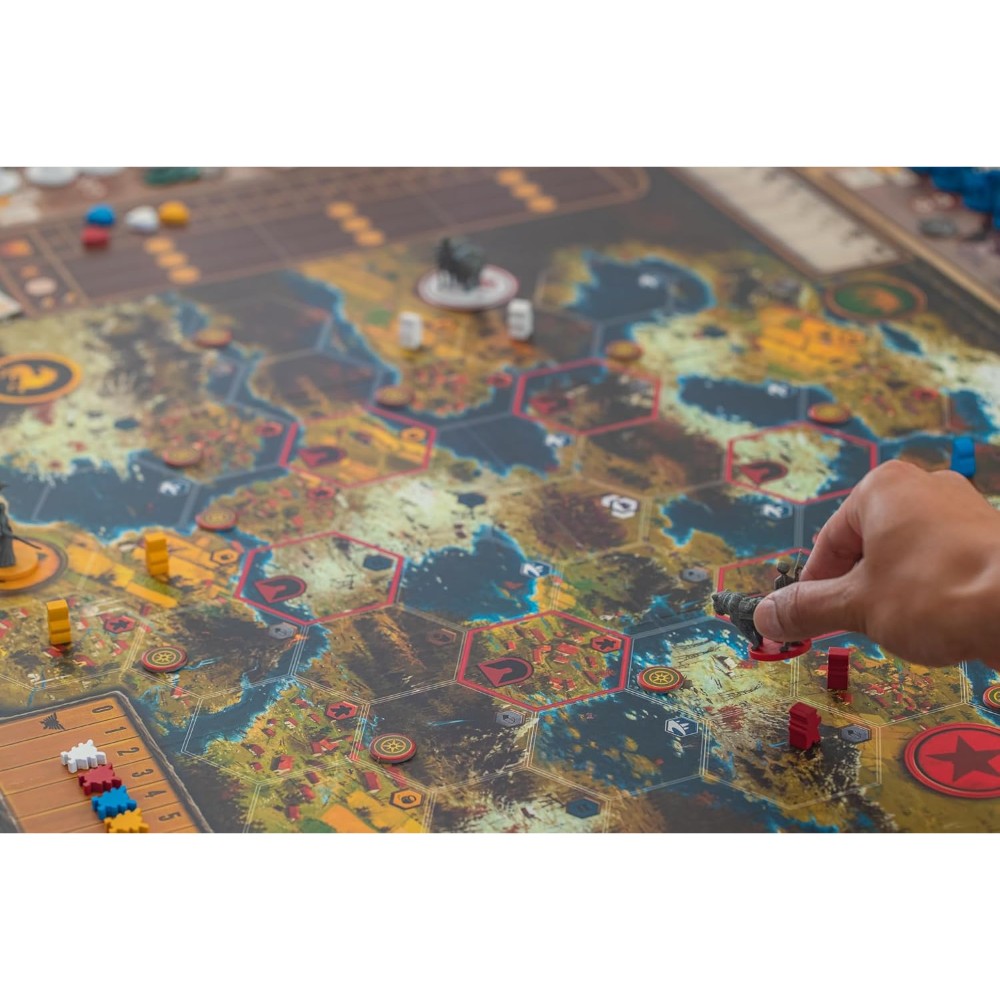
Scythe is a motor building game set in an alternative history of the 1920s. It’s a time of agriculture and war, broken hearts and rusted gears, innovation and courage. In Scythe, each player depicts a figure from one of five factions of Eastern Europe trying to earn their luck and claim the deployment of their faction in the country around the mysterious factory. Players conquer the territory, use new recruits, harvest resources, win villagers, build structures and activate monstrous mechs.

gameplay
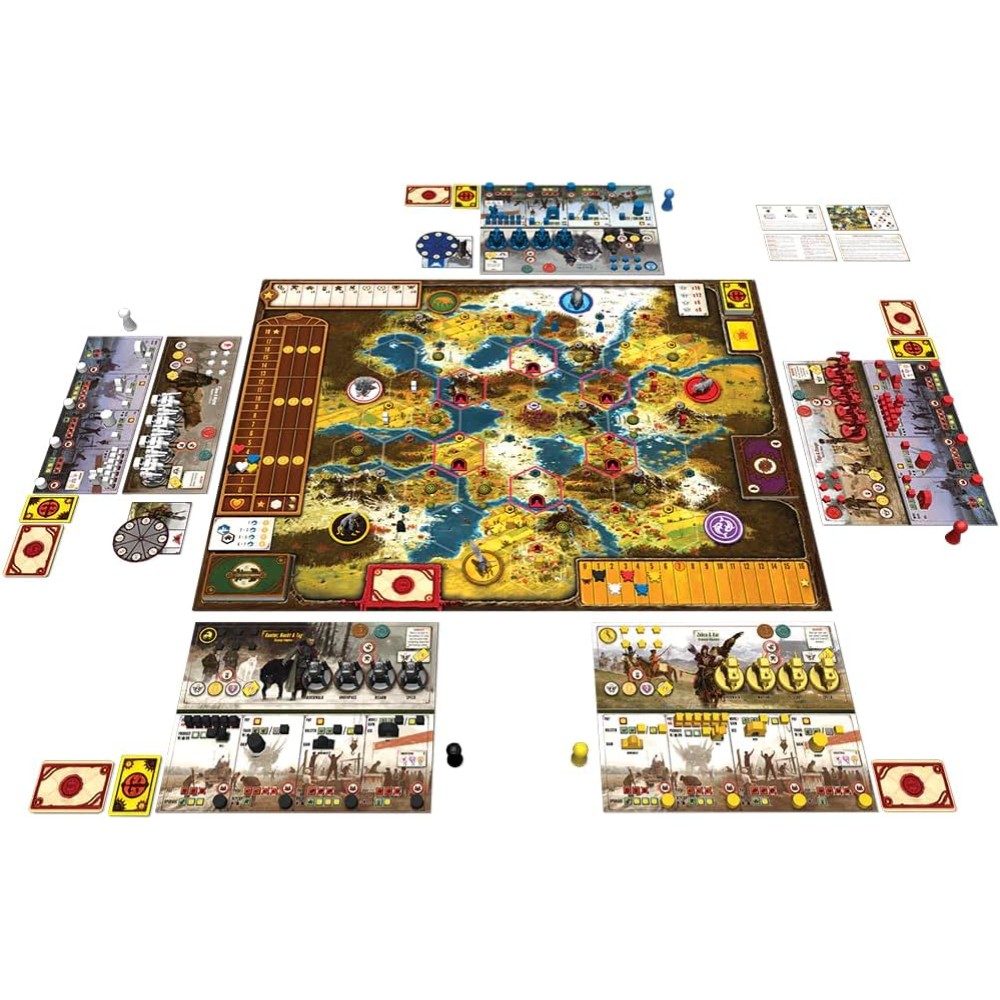
Scythe uses a streamlined action selection mechanism to keep gameplay moving at a fast pace and reduce downtime between turns. While there is a lot of direct conflict for players seeking it, there is no player elimination.

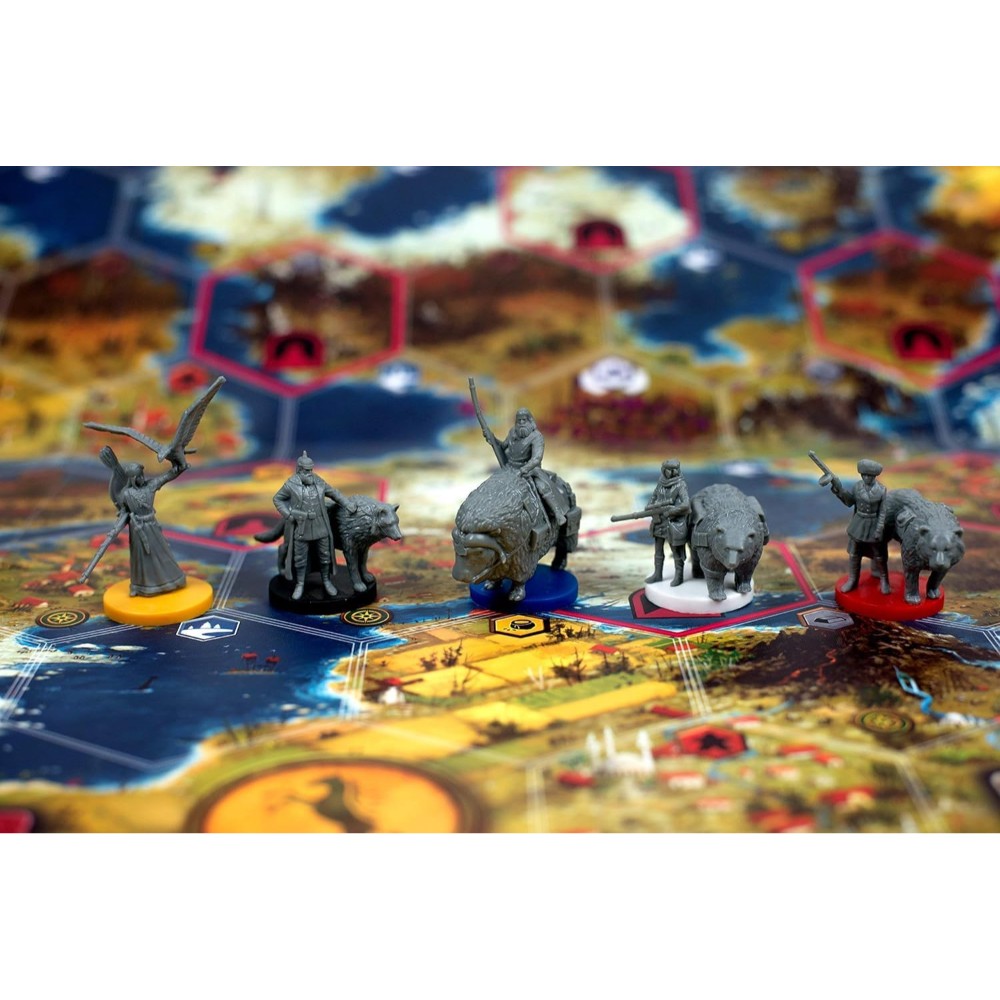
Includes highly detailed miniatures of the unique factions, characters and mechs.
Build and customize
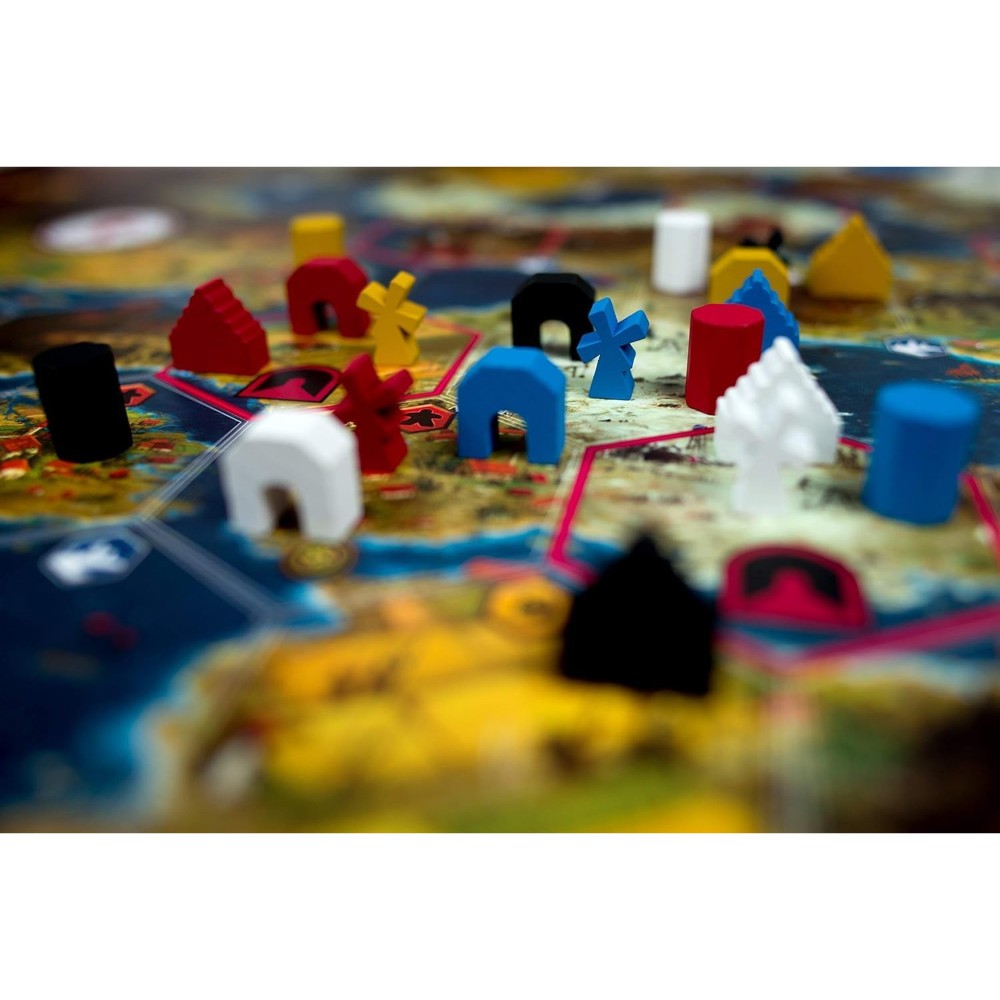
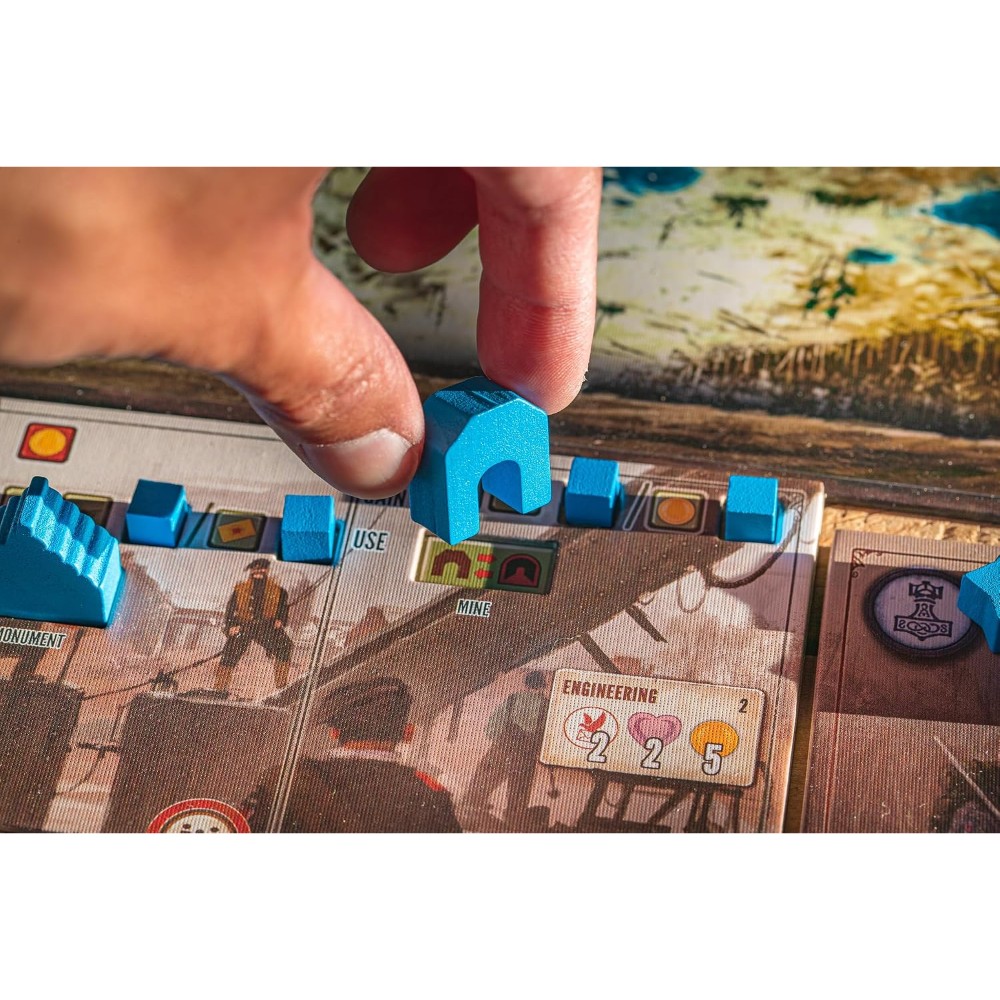
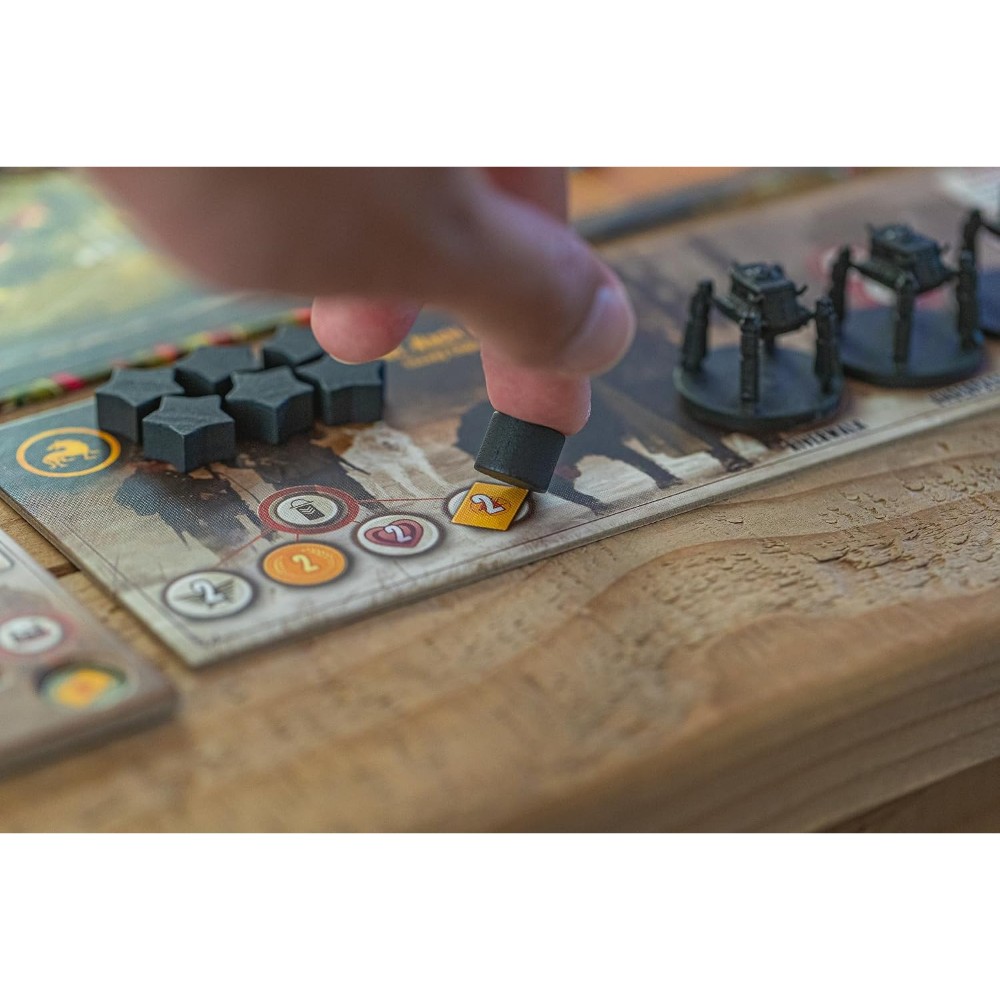
Each part of the scythe has an aspect of engine building. Players can improve actions to become more efficient, build structures that improve their position on the map, adopt new recruits to improve character skills, activate mechs to deter opponents from penetrating, and expand their boundaries to harvest larger species and amounts of resources.
These engine building aspects create a sense of momentum and progress during the game. The order in which players improve their engine adds to the unique feel of each game, even if they play a faction several times.
Each player starts the game with different resources (power, coins, battle and popularity), a different starting position and a hidden target. Starting positions are specially calibrated to contribute to the uniqueness of each faction and the asymmetrical nature of the game (each faction always starts in the same place).

Choose your way.
Scythe gives players nearly complete control over their destiny. The only elements of luck or variability are “encounter” cards, which offer the player multiple options to mitigate the luck of the move through their selection.


